Selective. Structural. Surgical. Interior Demo Done to the Standard Your Project Demands.
Gut demo, selective demolition, and structural interior work for GCs and contractors throughout the Valley, executed cleanly, with minimal disruption to what stays standing.
The Interior Demo Scopes We Cover.
Interior demolition requires more precision than most trades give it credit for. The difference between a clean gut demo and one that creates problems for every trade behind it comes down to how the crew reads the scope and executes within it. Blackline Demo handles interior demolition for GCs and contractors who need the work done right the first time, not corrected on someone else's schedule.
Targeted removal of specific walls, finishes, or structural elements while protecting everything around them. We take out what the scope calls for and leave the rest intact.
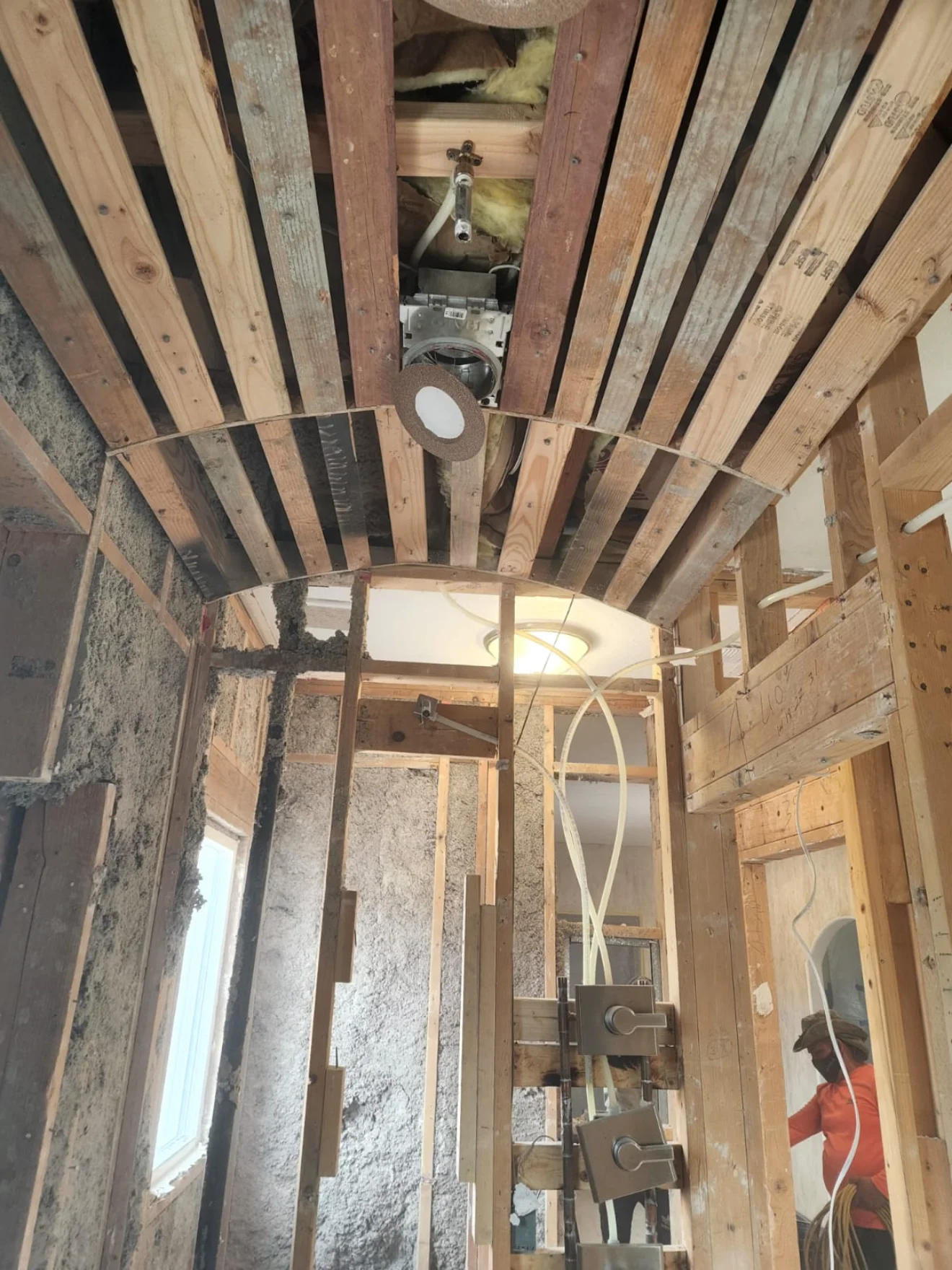
Complete interior strip-out down to the studs and subfloor. Drywall, flooring, ceilings, fixtures, cabinetry, cleared and staged for the rebuild phase.
Load-bearing wall removal, beam exposure, and structural modification demo coordinated with your engineer's specifications. We execute to the drawings, not around them.
Tile, hardwood, carpet, and underlayment removal executed without damaging the substrate. Clean removal that gives the flooring trade a proper surface to work from.
Built for GCs and Contractors Who Need Interior Demo Done on Their Timeline.
Interior demo is a critical path phase on most renovation and remodel projects. When it runs long or leaves problems behind, every trade after it pays the price. Blackline Demo is built for contractors who understand that and need a crew that operates accordingly.
We fit into your project schedule, communicate before mobilization, and hand off a site that's ready for the next phase. No debris left behind. No scope interpretation surprises.
Flooring removal is a specialty within interior demo. We remove existing tile, stone, hardwood, and carpet cleanly, giving your install crew the clean, level substrate they need.
For renovation scopes where selective demo is critical, we work precisely within your plans. What stays stays. What goes goes. No gray area on site.
What Interior Demo Looks Like on a Blackline-Led Project.
We review the plans, walk the scope with your super or PM if needed, and confirm exactly what's coming out and what's staying. No assumptions on our end.
Floors, doorways, and adjacent finishes get protected before demo starts. We contain the work zone and keep dust and debris from spreading into areas that need to stay clean.
Demo proceeds to the scope, no more, no less. We work efficiently without cutting corners on what stays standing. If something unexpected comes up inside the wall, you hear about it immediately.
Debris cleared, site staged, ready for the next trade. We leave the space in the condition your schedule requires, not in the condition that's easiest for us.
What Interior Demolition Actually Requires.
Interior demolition is the difference between a renovation that hits its dates and one that doesn't. The trade looks simple from outside the project. It isn't. Here's what separates an interior demo crew that protects your schedule from one that quietly destroys it.
Scope literacy
A crew that can't read drawings won't execute to them. We confirm the demo scope against the construction documents, RFIs in flight, and any selective callouts before we mobilize. What stays, what goes, and the gray area in between is settled in writing before the first cut.
Substrate preservation
Most demolition damage happens to surfaces that were supposed to stay. We protect adjacent walls, floors, ceilings, and finished work with appropriate dust barriers, ramboard, and physical shielding so the surrounding finishes don't become a separate change order.
Sequencing with abatement
When the scope touches asbestos, lead, or other regulated materials, demolition is staged around the licensed abatement contractor. Pre-abatement protective demo, post-clearance demo, containment management - all coordinated, not improvised.
Dust and air quality
Interior demo generates particulate. We deploy dust containment, negative air where required, HEPA filtration, and water suppression appropriate to the scope. Occupied buildings get the upgraded protocol without you having to ask for it.
MEP shutoffs and verification
Power, water, gas, and data lines get verified de-energized and capped before the wall comes down. We don't trust labels we didn't make ourselves. Every job gets walked with a tester before crews begin demolition.
Debris staging and haul
Demolition that leaves debris in the way of the next trade isn't done. Dumpster placement, debris staging, freight elevator coordination on commercial sites, and disposal manifests are part of every scope, not an upcharge.
Questions GCs and Builders Ask About This Service.
Straight answers on scope, sequencing, pricing logic, and how Blackline Demo actually operates on a job site. If your question isn't here, call us directly.
Interior demolition is the controlled removal of interior building elements including walls, ceilings, flooring, fixtures, cabinetry, millwork, and structural framing. It is the prep phase for renovation, remodel, tenant improvement, and change-of-use projects. Done correctly, interior demolition leaves the site staged for the next trade to mobilize without rework.
Selective demolition is the targeted removal of designated elements while preserving everything around them - used for renovations and remodels where what stays standing is part of the finished project. Gut demolition is the complete interior strip-out down to the studs and subfloor - used for full repositioning, change-of-use conversions, or projects where the entire interior is being rebuilt.
Tenant improvement (TI) demolition pricing in the Phoenix metro depends on square footage, scope (soft-strip versus selective versus structural), abatement requirements, building access constraints, and after-hours work needs. Blackline Demo provides a fixed-scope quote after a site walk so the number on the proposal is the number on the invoice.
Yes. Tile, hardwood, carpet, vinyl, and underlayment removal are standard interior demolition scopes. Substrate condition is preserved so the flooring trade can install on a sound surface. Dust control and containment are deployed for tile and stone removal where required.
Yes, with the right protocols. Occupied-building TI demolition uses dust containment, negative air, work-zone barriers, after-hours scheduling for noise-intensive phases, and elevator and freight coordination with building management. The plan is built before mobilization, not improvised on site.
Functionally yes - remodeling demolition is a subset of interior demolition focused on residential and light commercial renovation scopes. Both involve selective removal of walls, finishes, fixtures, and flooring. The difference is mostly project size and code path, not technique.